
Aditya Manoj
Condition Monitoring Engineer, SSE Thermal

Aditya Manoj is a Condition Monitoring Engineer based in Leeds at SSE Thermal's Asset Monitoring Centre, which he joined full-time in September 2024 following a two-year engineering graduate scheme with the company.
Aditya holds a BEng (Hons) in Mechanical Engineering from the Indian Institute of Information Technology (IIIT), Chennai.
He brings additional experience from a remote internship in Computational Fluid Dynamics at a start-up before joining SSE.
Presentation title
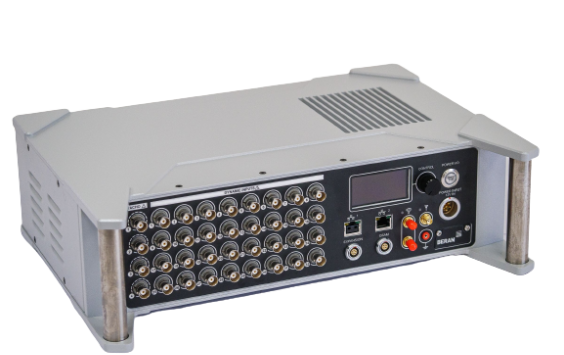
Monitoring SSE Thermal's CCGT Fleet with Beran PlantProtech™
Presentation abstract
This presentation discusses how Beran tools are applied to monitor vibration across SSE Thermal's fleet of combined cycle gas turbines, with strategies developed at an asset-specific level. It covers the use of PlantProtech™ Vision for detailed data analysis to detect early signs of abnormal machine behaviour and support collaborative root cause investigations, the role of the Alarms Manager application in daily triage and diagnosis, and lessons learned from a recent upgrade to PlantProtech™ 7600 PCMS at one of SSE Thermal's sites.
About SSE Thermal

SSE Thermal is a division of SSE plc and one of the UK's leading providers of flexible power generation. Dedicated to supporting the transition to a net-zero future, SSE Thermal operates an industry-leading fleet of flexible generation and energy storage assets, providing reliable, low-carbon capacity that helps balance the demands of an increasingly renewables-heavy grid.
With a growing focus on carbon capture and hydrogen technologies, SSE Thermal is actively shaping what flexible generation looks like in a decarbonised energy system. The business employs over 600 people across the UK and Ireland and is driven by a clear ambition to become the leading provider of flexible thermal energy in a net-zero world.
Central to that ambition is the reliable operation of complex rotating plant across SSE Thermal's combined cycle gas turbine fleet. The Asset Monitoring Centre in Leeds plays a key role in that work, applying advanced condition monitoring tools and vibration analysis to maintain plant availability and detect early signs of abnormal behaviour across multiple sites.
At Beran Conference 2026, Aditya Manoj from SSE Thermal's Asset Monitoring Centre will share how Beran PlantProtech™ tools are applied across the CCGT fleet in practice, including the use of PlantProtech™ Vision for early anomaly detection, the role of Alarms Manager in daily triage and diagnosis, and lessons from a recent system upgrade. It is a practical, experience-led session that will resonate with anyone responsible for condition monitoring across a portfolio of critical assets.
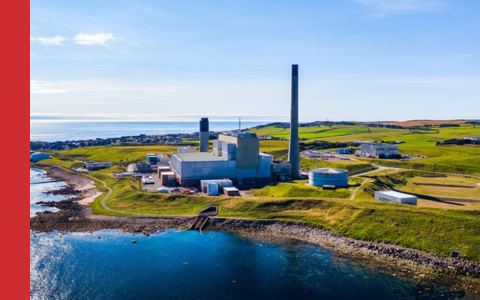
This paper, authored by Mal Stein, Senior Condition Monitoring Engineer at SSE Thermal, and Duncan Affleck, Global Sales and Business Development Manager at Beran, emphasises the critical role of site walk-downs performed by engineers.
Using their senses—listening, looking, hearing, and smelling—they detect minor changes in machinery that could indicate potential issues before they escalate into major problems. By promptly reporting and addressing these observations, engineers can prevent significant deterioration.