
Cable joiners
Extend accelerometer cabling or create robust panel-mounted interfaces without compromising signal integrity. DJB cable joiners are designed to provide dependable electrical continuity across vibration and dynamic testing applications, helping ensure consistent and accurate measurement results.
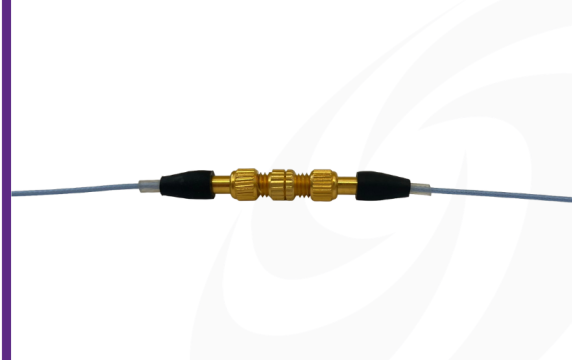
Cable joiners for secure, reliable connections
Cable joiners play an important role in maintaining signal integrity across vibration measurement systems. Whether extending accelerometer cables or creating panel-mounted connection points, high-quality joiners ensure dependable electrical continuity without compromising measurement accuracy.
DJB Instruments offers a range of precision-engineered inline and bulkhead cable joiners designed for durability, secure installation and minimal signal loss. Supporting common BNC and Microdot configurations, our solutions help engineers maintain reliable test setups across laboratory, automotive and field environments.
| Product Code | Description |
| BJ | Inline joiner, BNC plug / 10-32 UNF Microdot Socket |
| BSJ | Inline joiner, BNC jack / BNC jack |
| MJ | Inline joiner, 10/32UNF microdot socket / 10-32 UNF microdot socket |
High-quality connectors engineered to ensure secure installation, consistent performance and long-term reliability in demanding test environments.
Durable, low-noise cables designed to preserve signal integrity between sensor and data acquisition system.
Ideal for short-term or repeat testing applications where accelerometers need to be mounted quickly without permanent fixing.
Built to meet your exact application requirements
From ultra-flexible low-noise cables to armoured and miniature assemblies, DJB can design and manufacture bespoke cable solutions tailored to your testing environment.
Extend cable life and maintain measurement performance
Our inspection and repair service restores damaged or worn cables, helping reduce replacement costs while ensuring continued signal reliability.
Precision vibration sensors for demanding aerospace testing and monitoring applications. Designed for accurate measurement across structural, acoustic and high-temperature environments.
Signal conditioning and measurement instrumentation designed to preserve data accuracy from sensors through to acquisition and analysis systems.
See how vibration measurement is applied across different industries, and the types of sensors and setups typically used.